Summary:
The VAWA self-petition process allows certain immigrant spouses, children, and parents of abusive U.S. citizens or green card holders to apply for legal status on their own. It’s confidential, and the abuser is never notified. You’ll need to submit Form I-360 with supporting evidence, including proof of the relationship, abuse, and your good moral character. If approved, you may qualify for a work permit and eventually a green card.
For many immigrants in Houston, the fear of losing status or their family keeps them silent. But if you’re being abused by a spouse, child, or parent who is a U.S. citizen or green card holder, you don’t have to stay trapped.
VAWA gives you the right to file on your own, in private, and without your abuser ever finding out. It’s not easy, but it’s your right, and it starts with understanding the steps.
Who Can File A VAWA Self-Petition & What You’ll Need To Show
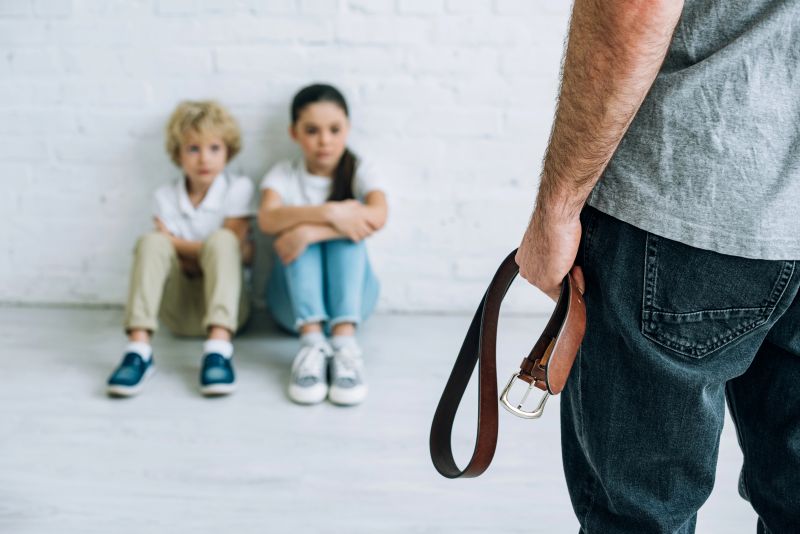
Not everyone qualifies to file a VAWA self-petition, but many eligible people don’t even realize it. Suppose you’ve experienced abuse by a U.S. citizen or lawful permanent resident (LPR), and you share a qualifying family relationship. In that case, you may be able to apply for protection and status on your own.
Spouses Of U.S. Citizens Or Green Card Holders
If you’re married to someone who has abused or controlled you, you may qualify to file. The marriage must have been in good faith, not just for immigration purposes.
Abuse doesn’t need to be physical. Emotional, verbal, financial, or immigration-related threats also count. If you’re divorced, you can still apply within two years of the divorce if the abuse played a role.
Children Under 21 (Unmarried)
If you’re under 21, unmarried, and have been abused by your U.S. citizen or LPR parent, you may qualify to self-petition. Or your parent can include you in their VAWA case. In some cases, older children (up to age 25) may still apply if they can show that the abuse delayed their filing.
Parents Of Abusive U.S. Citizen Children (Age 21+)
Parents can also qualify if their adult U.S. citizen child has been abusive or threatening. The abuse can be verbal, emotional, physical, or involve intimidation related to immigration status or finances. Many parents don’t realize this protection exists.
What You’ll Need To Show
All VAWA self-petitioners must submit evidence of:
- A qualifying family relationship.
- The abuse or extreme cruelty.
- Good moral character.
- Shared residence with the abuser (past or present).
- Physical presence in the U.S.
You don’t need a police report or restraining order to file. Personal declarations, affidavits from others, and documentation like medical records, school reports, or counseling notes can all help support your case.
If your abuser has used fear, silence, or your immigration status as a weapon, VAWA may give you the power to take your future back, quietly, legally, and safely.
Step-By-Step Breakdown Of The VAWA Self-Petition In Houston
Filing a VAWA self-petition isn’t just about paperwork; it’s about telling your story in a way that protects you and meets the legal requirements. Here’s how the process usually works from start to finish.
1. Gather Evidence & Supporting Documents
Start by collecting proof of your relationship to the abuser, evidence of the abuse, and documents that show your good moral character. You’ll also need to prove that you lived with the abuser and are currently in the U.S.
If you don’t have police reports or official records, that’s okay. Personal declarations, therapy letters, and affidavits from people who know what you went through can still be strong evidence.
2. Complete Form I-360 (VAWA Petition)
Form I-360 is the official VAWA self-petition form. You’ll list personal details, explain your relationship, and include a written statement that tells your story.
This declaration is one of the most important parts of your case. It’s where you explain what happened and how it affected you, in your own words.
3. Submit The Petition To USCIS
Mail your completed Form I-360 and supporting evidence to the correct USCIS address. There’s no filing fee for VAWA cases.
Make sure you keep a copy of everything you send. Once USCIS receives your petition, they’ll send you a receipt notice confirming it’s under review.
4. Wait For A Prima Facie Determination (Optional)
USCIS may issue a “prima facie determination” while they’re still reviewing your case. This letter means your petition appears eligible on its face. It doesn’t grant status but may help you qualify for certain public benefits.
5. USCIS Reviews & Makes A Decision
The review process can take many months. USCIS may issue a Request for Evidence (RFE) if it needs more information. If approved, you can then apply for a green card, either right away or when a visa becomes available, depending on your situation.
VAWA self-petitions take time, care, and courage, but they give survivors the power to move forward with dignity and legal protection. The process is private, and your abuser is never notified. You’re not just filing a form, you’re reclaiming control over your life.
What Happens After The Approval Of Your VAWA Petition
Getting your VAWA petition approved is a huge step, but it’s not the end of the road. Once USCIS approves your Form I-360, you may be eligible to take additional steps that lead to legal status, a work permit, and even a green card. What happens next depends on your specific situation.
You May Be Able To Apply For A Green Card
If you’re eligible to adjust status, the next step is filing Form I-485 (Application to Register Permanent Residence or Adjust Status). Some applicants can file this form at the same time as the I-360 (called “concurrent filing”).
Others must wait for their priority date to become current. Once filed, this starts the green card process from inside the U.S.
You Can Request A Work Permit
If you file Form I-485 after your VAWA approval, you may also qualify for a work permit (Form I-765). It allows you to legally work while your green card application is pending.
It can be a critical step in gaining independence from your abuser, especially for survivors who’ve been financially controlled or isolated.
You May Qualify For Travel Authorization
You can also apply for advance parole (Form I-131), which gives you permission to leave and re-enter the U.S. while your green card application is pending. Not all applicants choose this option, but for some, it offers flexibility to handle emergencies or visit loved ones abroad.
You Will Have Continued Protection From Removal
Once your VAWA petition is approved, you gain stronger protection against deportation. USCIS recognizes you as someone who qualifies for humanitarian relief, and this status can help you remain in the U.S. even if your green card application is still processing.
VAWA approval changes everything; it gives you options, legal standing, and time to build your future. You no longer have to live in fear of your abuser’s threats or immigration consequences.
Instead, you can take real steps toward permanent safety, stability, and peace of mind.
FAQs About The VAWA Self-Petition Process
Many people have questions about how it works, how long it takes, and what happens after they file. Here are some of the most common questions we hear from immigrants in Houston who are thinking about starting the process.
Filing a VAWA petition is about more than just paperwork. It’s about reclaiming your future, on your terms, without fear or control. And you don’t have to do it alone. At Houston Immigration Lawyers, we help people quietly and safely take control of their immigration status.
We’ll guide you through the entire process, from gathering evidence to writing your declaration and filing your petition with USCIS. We know how sensitive these cases are. Everything you share stays private, and we’ll never pressure you or move forward until you’re ready.
Schedule a confidential case evaluation today. We’ll answer your questions, explain your options, and walk with you every step of the way, no matter how long it takes.
The VAWA self-petition process is designed to help people in difficult situations find protection, dignity, and a path to stay in the U.S. If you’re unsure where to start, know that support is available, and you don’t have to figure it out alone.
You’re Not Alone, We’ll Help You File Your Petition Safely

Filing a VAWA petition is about more than just paperwork. It’s about reclaiming your future, on your terms, without fear or control. And you don’t have to do it alone. At
Houston Immigration Lawyers,
we help people quietly and safely take control of their immigration status.
We’ll guide you through the entire process, from gathering evidence to writing your declaration and filing your petition with USCIS. We know how sensitive these cases are. Everything you share stays private, and we’ll never pressure you or move forward until you’re ready.
Schedule a confidential case evaluation today. We’ll answer your questions, explain your options, and walk with you every step of the way, no matter how long it takes.
 Kate Lincoln‑Goldfinch founded Houston Immigration Attorneys in 2015 and serves as its managing partner. After earning her J.D. from the University of Texas School of Law in 2008, she launched her advocacy journey as an Equal Justice Works Fellow supporting detained asylum‑seeking families. Today, Kate concentrates on family‑based immigration, deportation defense & humanitarian relief, including asylum & VAWA cases. She volunteers as Pro Bono Liaison for the AILA Texas Chapter and was honored as a Top Immigration Attorney by Austin Monthly in 2024. A mother of two, Kate is driven by a passion for immigrant justice and building stronger communities.