What Is A VAWA Self-Petition & Who Qualifies?
VAWA allows certain immigrants to seek protection and lawful status without relying on the person who hurt them. It’s available to:
- Spouses of U.S. citizens or Green Card holders who have been abused.
- Unmarried children (under 21) of U.S. citizens or Green Card holders who have been abused.
- Parents of adult (21+) U.S. citizens who have abused them.
To qualify, you must show that:
- You lived with your abuser.
- The abuse involved battery or extreme cruelty.
- You have good moral character.
- The relationship was legally valid or appeared to be.
And most importantly, you can file on your own. Your abuser will not be notified, and your information is kept confidential by USCIS.
Types Of Evidence You’ll Need For A VAWA Self-Petition In Houston
Before USCIS can approve your VAWA petition, it needs to see that your case meets the legal requirements. That doesn’t mean you need police involvement or a perfect paper trail. It means you need to tell your story and back it up with documentation that proves your relationship, the abuse, and your character.
Here’s a closer look at the four key areas of evidence required for a successful VAWA petition.
Proving Your Relationship To The Abuser
This is the foundation of your case. If your abuser was your spouse, you’ll need a marriage certificate. If they were your parent or child, a birth certificate typically works. USCIS wants to see that your relationship was valid under the law, even if it has since ended in divorce or death.
If you believed you were legally married but later learned the marriage wasn’t valid (because, for example, your spouse was already married to someone else), you may still qualify as having entered the marriage in good faith.
If you can’t access your marriage certificate or birth records, especially if your abuser destroyed them or you had to flee, USCIS allows alternative proof, like affidavits or legal declarations.
Showing Evidence Of Abuse Or Extreme Cruelty
Contrary to what many people believe, physical violence is not required for VAWA. Abuse can take many forms, including emotional, verbal, sexual, and financial control. What USCIS looks for is proof that you were subjected to “battery or extreme cruelty.”
Useful evidence can include:
- Restraining orders.
- Police reports.
- Photos of injuries or property damage.
- Letters from therapists, doctors, or clergy.
- Voicemails, texts, or emails showing threats or manipulation.
- Personal journals or declarations.
Even if you never went to the police or a hospital, your own detailed statement and supporting letters from people who witnessed the abuse can be enough. In fact, many survivors win their cases without formal reports. The key is consistency and credibility.
Proving You Lived With The Abuser
You must show that you shared a residence with the abuser, whether that was an apartment, a house, or even a temporary stay at a hotel or shelter, before fleeing. USCIS does not require a specific amount of time, but they do want proof that you lived together during the relationship.
Examples include:
- Lease agreements or rental receipts with both names.
- Utility bills sent to the same address.
- Mail addressed to you both.
- Photos taken inside the shared home.
- Affidavits from friends or neighbors.
If you were undocumented and afraid to be on paper, or if your abuser kept everything in their name to control you, we can help you piece together other ways to show shared residence.
Evidence Of Good Moral Character
VAWA requires applicants to show that they have good moral character. For most people, this is straightforward, especially if you don’t have a criminal record. But even if you do, it’s not necessarily disqualifying. The law allows for waivers in certain cases, especially when the offense is minor and tied to the trauma you experienced.
This part of your petition shows that you are honest, responsible, and trying to live a safe and lawful life here in the U.S., which matters deeply in humanitarian immigration cases like VAWA.
Gathering this evidence may feel overwhelming, especially if your trauma is fresh or your records were destroyed. But you don’t have to do this alone. We help Houston-based survivors document their stories in a way that USCIS can understand and that puts their safety and dignity first.
Evidence Mistakes To Avoid In A VAWA Self-Petition
Submitting a VAWA case is a deeply personal step, and the evidence you choose can make or break it. Even with a valid story, simple mistakes can cause delays, Requests for Evidence (RFEs), or even denials. Below are common pitfalls we’ve seen in VAWA self-petitions, and how to avoid them.
Inconsistent Details Across Documents
If your personal declaration says one thing, but a police report or affidavit says something else, USCIS may question your credibility. Even small inconsistencies, like different dates, locations, or names, can lead to doubt. That doesn’t mean you’re lying, but it does mean the agency might not trust the full story.
Before submitting your petition, go over every piece of evidence to make sure it lines up. We often help Houston clients double-check their timelines and clarify events to reduce the risk of confusion.
Submitting Evidence Without Translations
If you include any documents in a language other than English, like birth certificates, text messages, or affidavits, they must be translated completely. USCIS requires a certified English translation, even for brief messages or short notes. Submitting untranslated or poorly translated materials can lead to rejection or an RFE, which delays your case.
Forgetting To Include Your Personal Statement
It might sound surprising, but some applicants focus so much on gathering supporting evidence that they forget the most important voice: their own. USCIS wants to hear directly from you. A strong personal statement can explain the full picture, what happened, how you were affected, and why you deserve protection.
Submitting False Or Altered Documents
This one is critical. If you submit fake documents or change an official record in any way, your entire case could collapse. USCIS has powerful fraud detection tools and takes false evidence very seriously. It’s better to submit limited, truthful documentation than to try to “fill in the gaps” with something you found online or altered.
None of us is perfect, and survivors are often dealing with trauma, housing insecurity, or lost documents. That’s why having a legal team review your packet before filing can make all the difference. We’re here to catch issues before USCIS does, and to help you tell your story with strength and clarity.



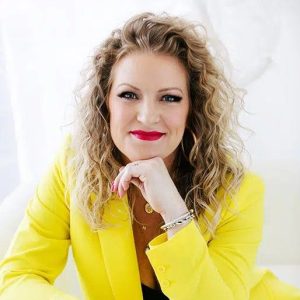 Kate Lincoln‑Goldfinch founded Houston Immigration Attorneys in 2015 and serves as its managing partner. After earning her J.D. from the University of Texas School of Law in 2008, she launched her advocacy journey as an Equal Justice Works Fellow supporting detained asylum‑seeking families. Today, Kate concentrates on family‑based immigration, deportation defense & humanitarian relief, including asylum & VAWA cases. She volunteers as Pro Bono Liaison for the AILA Texas Chapter and was honored as a Top Immigration Attorney by Austin Monthly in 2024. A mother of two, Kate is driven by a passion for immigrant justice and building stronger communities.